
To understand human behavior, researchers often look at the invisible architecture of our surroundings. Community mapping is the practice of observing the relationships, resources, and cultural norms that define a specific group. From the layout of a physical neighborhood to the digital networks that connect us online, visualizing these social structures provides incredible clarity.
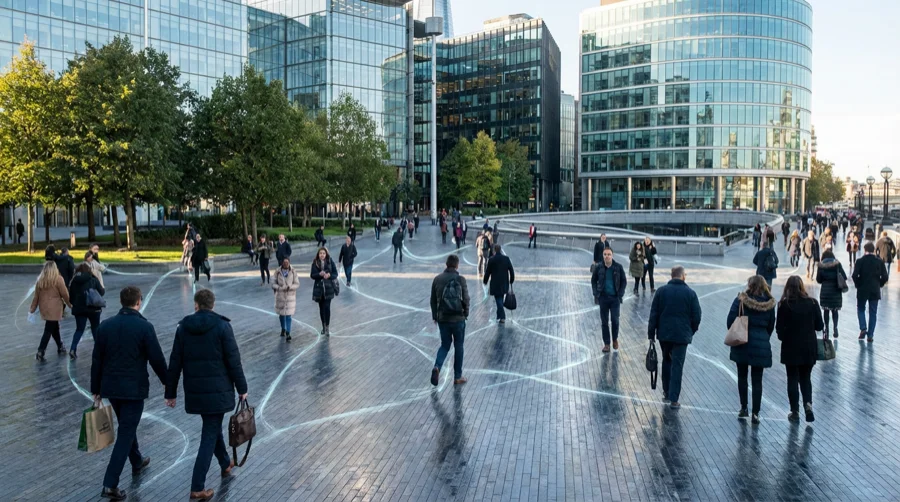
We explore the fundamental concepts of social cartography, highlighting how interaction patterns and informal hierarchies form the backbone of society. By studying these elements, we gain a deeper appreciation for the complex, interwoven systems that individuals navigate every single day. Every person is part of multiple overlapping groups, from family units and workplace teams to global online forums.

Physical Neighborhoods
The layout of our local streets, community centers, and shared spaces dictates the frequency and quality of our everyday interactions. Mapping these physical nodes helps us understand how local support systems are built and sustained.

Digital Networks
Beyond geography, digital platforms create sprawling, invisible webs of connection. Analyzing these online communities reveals how ideas travel, how global cultures merge, and how individuals find belonging without physical proximity.
Observing how these groups function helps us recognize why certain ideas spread, how support networks are formed, and what factors contribute to social mobility. It is not just about geography; it is about the emotional and practical ties that bind people together. Through careful documentation and analysis, we can begin to see the hidden pathways that shape our collective human experience.